This guide cuts through the noise: what these three ingredients do well, where they fall short, and the common mistakes to avoid.
White vinegar
White vinegar is a dilute acetic acid solution, usually around 5% acidity. That acid is what makes it useful for certain jobs.
Genuinely good for
- Mineral deposits and limescale — taps, showerheads, kettles, glass screens. Soak or spray, leave 15–30 minutes, then scrub or wipe
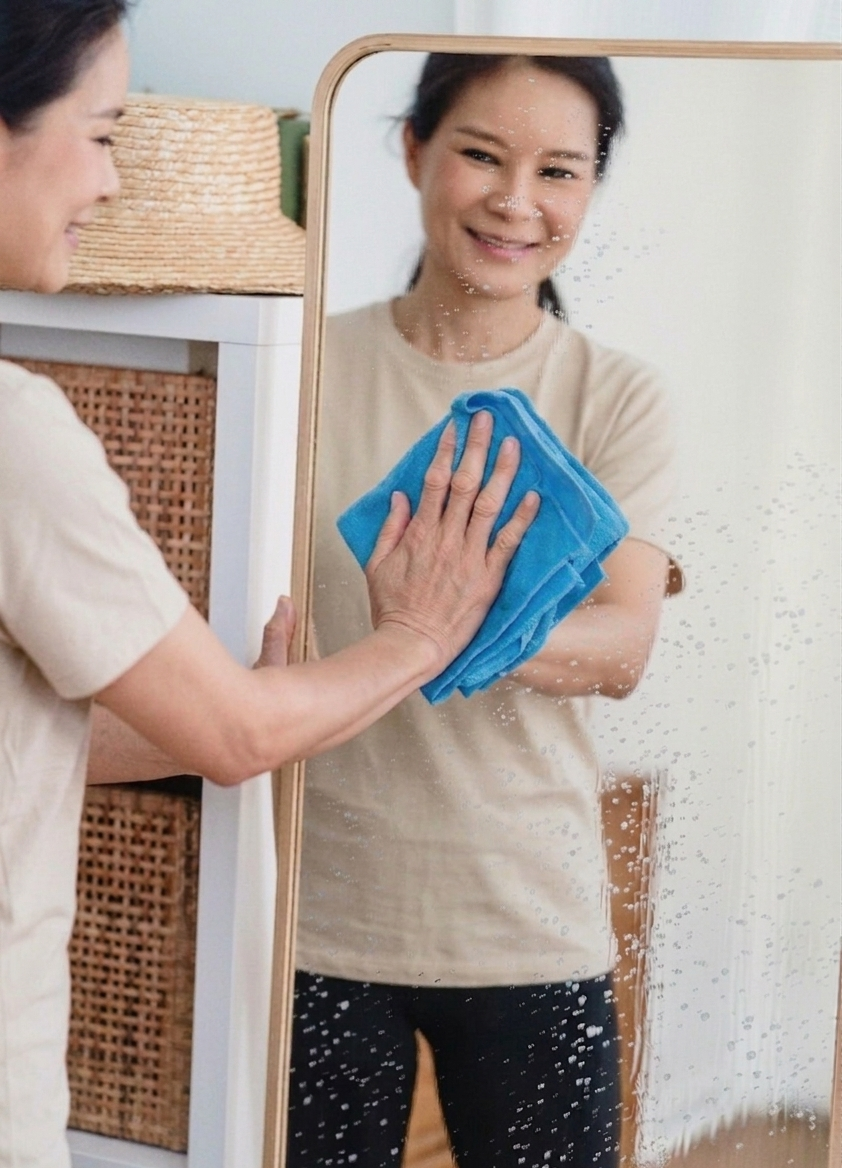
- Glass and mirrors — diluted 1:1 with water for streak-free results
- Deodorising — a bowl left overnight absorbs cooking, pet or musty smells
- Washing machine maintenance — an empty hot cycle with two cups of vinegar clears soap scum and odour
- Fabric softening — half a cup in the dispenser softens laundry and removes detergent residue, no fragrance chemicals
What it doesn't do well
- Disinfection — mildly antimicrobial but not a registered disinfectant; won't reliably kill Salmonella, E. coli or flu virus at household strength
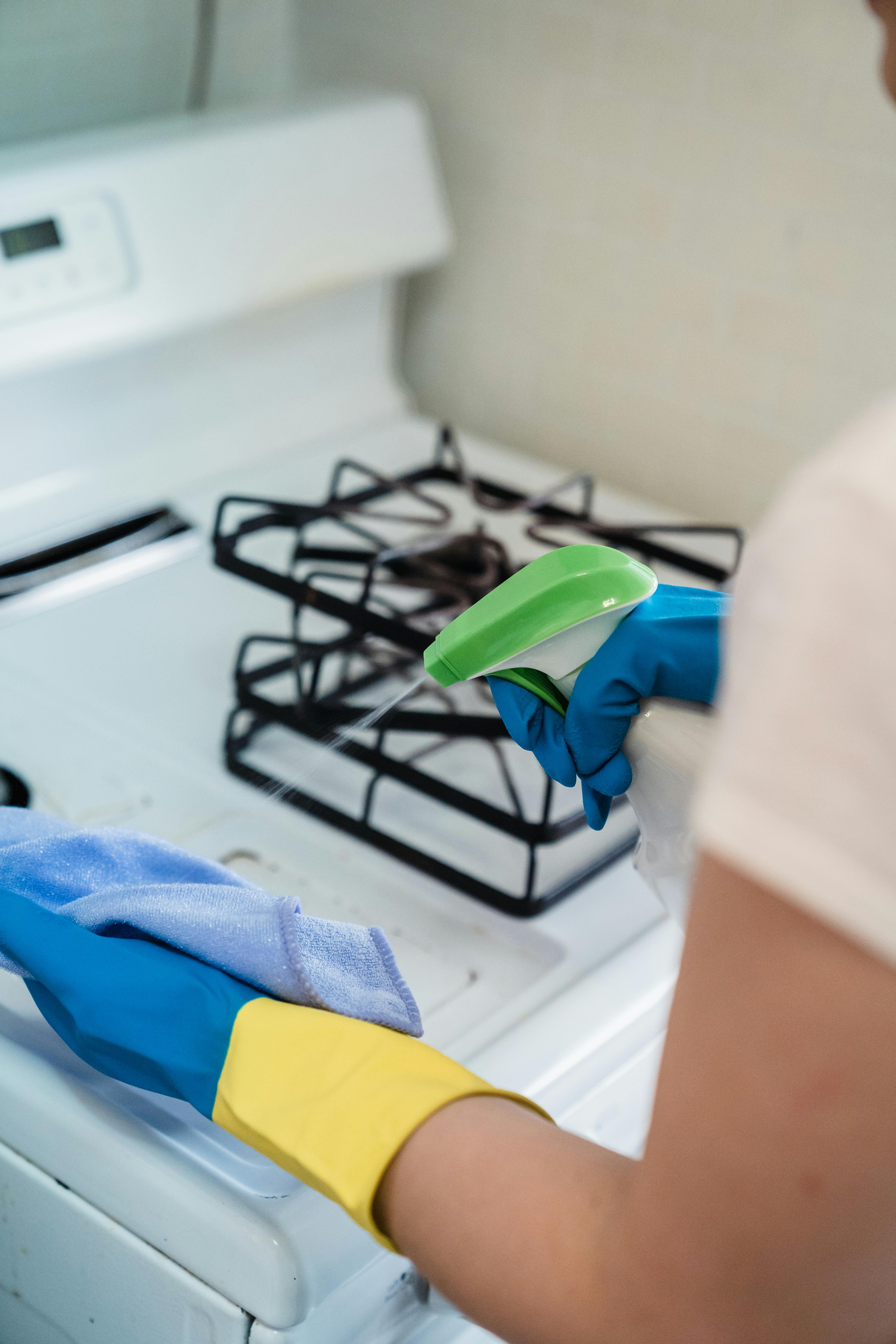
- Heavy grease — acetic acid doesn't cut cooking grease; use a soap-based cleaner instead
Baking soda (bicarbonate of soda)
Baking soda is sodium bicarbonate — a mild alkaline compound. Its cleaning power comes from two things: gentle abrasiveness, and its ability to neutralise acids and absorb odours.
Genuinely good for
- Scrubbing — a mild abrasive for sinks, baths, oven interiors and grout without scratching most surfaces
- Odour absorption — genuinely absorbs smells rather than masking them; open box in the fridge, sprinkled in a bin, or on carpet before vacuuming
- Oven cleaning — a paste of baking soda and water left overnight wipes away baked-on grease the next day
- Drain maintenance — a cup of baking soda followed by a cup of vinegar fizzes to break up soap scum and minor blockages
What it doesn't do well
- Disinfection — like vinegar, it doesn't kill bacteria or viruses
- Dissolving heavy grease — less effective than a proper soap-based degreaser
Lemon juice
Lemon juice contains citric acid — a mild acid similar to the acetic acid in vinegar, but with a pleasant scent.
Genuinely good for
- Light grease — citric acid cuts light grease on benchtops and boards better than vinegar
- Limescale — effective around taps and on stainless steel
- Stainless steel — half a lemon rubbed over it removes water spots and light discolouration
- Cutting boards — a cut lemon lifts onion, garlic and fish odours from wood; rinse after
- Microwave — a bowl of water with lemon slices, heated 2–3 minutes, steams off splatter and deodorises
What it doesn't do well
- Disinfection — not reliable at home-use concentrations
- Heavy-duty tasks — better for light maintenance than tough grease, mould or deep stains
The honest conclusion
Vinegar, baking soda and lemon are genuinely useful — especially for mineral deposits, odour control and light scrubbing. They're cheap, easy to find and safe on most surfaces. But they're not universal replacements: they don't reliably disinfect, they're weak on heavy grease, and in the wrong spots they cause damage.
The smartest approach is to use these natural staples for what they do well, and reach for a targeted, properly formulated product when a job actually needs disinfection or stronger cleaning power.