Zenpure Cleaning
LoginBook now
Zenpure Cleaning
Book now
← The Journal
Cleaning Tips
Cleaning Tips

The difference between cleaning and disinfecting (what nobody explains)

Most people use 'cleaning' and 'disinfecting' interchangeably — they sound like the same thing. In practice they're very different, and confusing them can leave your home looking tidy while still carrying bacteria and viruses.

S
Sarah M.
Cleaning specialist · May 29, 2026 · 6 min read
the difference between cleaning and disinfecting (what nobody explains)

Here's what each term actually means, why it matters, and when you need to do which.

Cleaning: removing what you can see

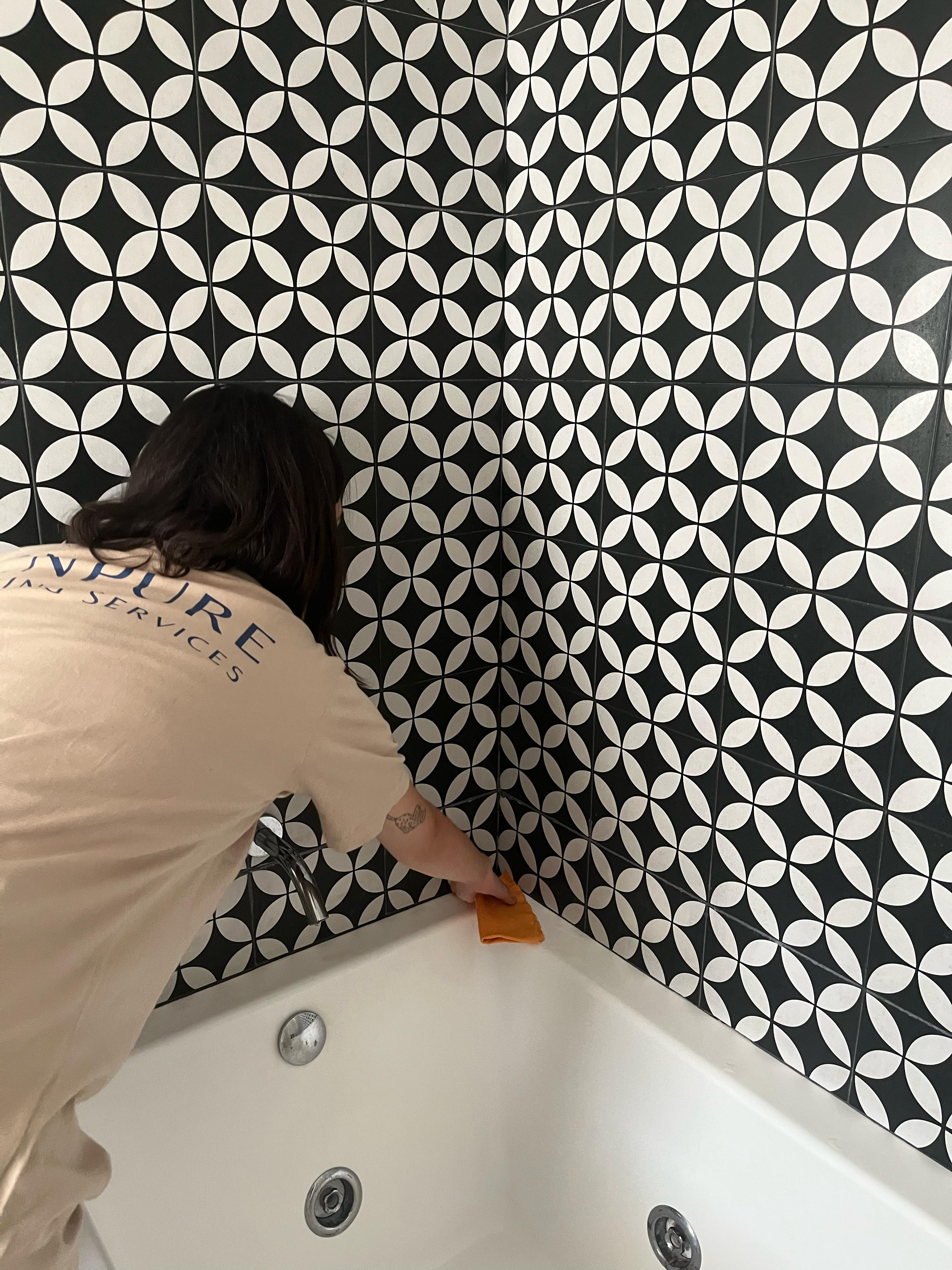
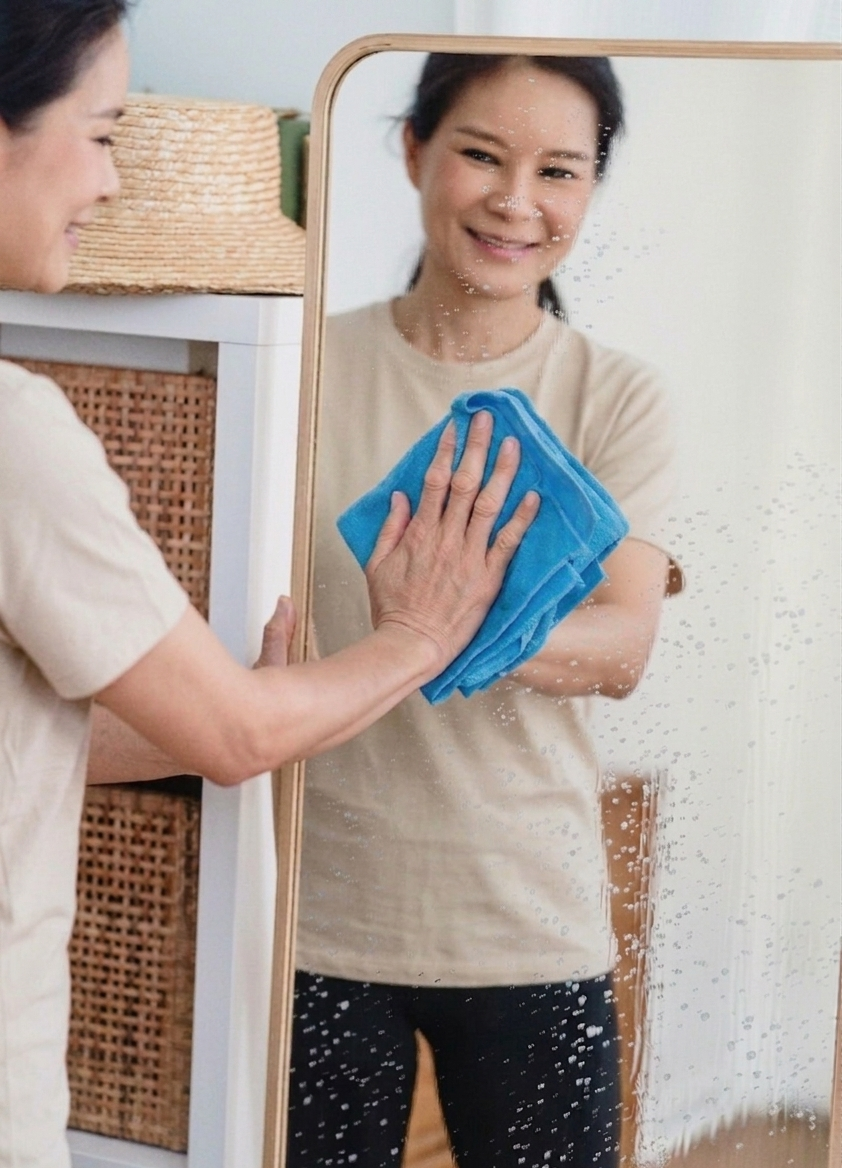
Cleaning means physically removing dirt, dust, grease and debris from a surface. Wiping a benchtop, mopping the floor, scrubbing the bath — that's cleaning, using water, soap or a general-purpose product to remove visible build-up.

It matters because it gets rid of the physical matter bacteria and viruses live in. But here's the key point: cleaning alone does not kill germs. It wipes some away, but a surface can look spotless and still carry harmful bacteria.

Disinfecting: killing what you can't see

Disinfecting uses a chemical product to kill bacteria, viruses and other pathogens. Disinfectants don't necessarily remove dirt — they target the microscopic organisms cleaning leaves behind. Common ones contain bleach, hydrogen peroxide, alcohol (at least 70%) or quaternary ammonium compounds.

Used correctly — left on the surface for the required contact time, usually 30 seconds to a few minutes — they kill the vast majority of harmful microorganisms. The catch: disinfecting works best on a surface that's already clean. If there's grease or grime in the way, the disinfectant can't reach the bacteria underneath.

The correct order: clean first, then disinfect

  • Clean — remove visible dirt and grease with soap or a general cleaner
  • Disinfect — apply the product and let it sit for the required contact time
  • Allow to dry — most disinfectants need to air-dry to be fully effective

Swiping a surface with a single antibacterial wipe in one quick motion does neither job properly. In the spots where hygiene really matters, the two-step approach is worth it.

Where each matters most

Not every surface needs disinfecting every day. A practical guide:

  • Clean regularly, disinfect when needed: floors, shelves, windows, general surfaces
  • Clean and disinfect often: kitchen benchtops (especially after raw meat), bathroom sinks, toilets and taps, light switches, door handles, remotes, highchairs and feeding surfaces
  • Disinfect after illness: anything touched by someone who's been sick — bathroom fixtures, handles, phones, shared items

What about 'antibacterial' products?

'Antibacterial' on a spray means it can kill some bacteria — but not necessarily viruses or fungi. A true disinfectant is registered and tested against a broader range of pathogens. If you're trying to kill a cold or flu virus, check the label specifically lists viruses and states a contact time.

The takeaway

  • Cleaning removes dirt and physically reduces germs
  • Disinfecting kills the germs that remain after cleaning
  • You need both, in the right order, in the right places
  • Not everything needs daily disinfecting — but some surfaces do
Get a quote in 60 seconds

Flat-rate pricing for homes across Brisbane, the Sunshine Coast and the Gold Coast — no in-home visit needed.

Get a quote
S
Written by
Sarah M.
Cleaning specialist
One of the team behind every Zenpure clean across Brisbane, the Sunshine Coast and the Gold Coast. We write about the actual work — no fluff, no filler.
Subscribe

One short letter a month.

Ready for a cleaner home?

Check our prices and book your cleaning online.

Book now 0466 984 491
← The Journal
Cleaning Tips
Cleaning Tips

The difference between cleaning and disinfecting (what nobody explains)

Most people use 'cleaning' and 'disinfecting' interchangeably — they sound like the same thing. In practice they're very different, and confusing them can leave your home looking tidy while still carrying bacteria and viruses.

S
Sarah M.
Cleaning specialist · May 29, 2026 · 6 min read
the difference between cleaning and disinfecting (what nobody explains)

Here's what each term actually means, why it matters, and when you need to do which.

Cleaning: removing what you can see

Cleaning means physically removing dirt, dust, grease and debris from a surface. Wiping a benchtop, mopping the floor, scrubbing the bath — that's cleaning, using water, soap or a general-purpose product to remove visible build-up.

It matters because it gets rid of the physical matter bacteria and viruses live in. But here's the key point: cleaning alone does not kill germs. It wipes some away, but a surface can look spotless and still carry harmful bacteria.

Disinfecting: killing what you can't see

Disinfecting uses a chemical product to kill bacteria, viruses and other pathogens. Disinfectants don't necessarily remove dirt — they target the microscopic organisms cleaning leaves behind. Common ones contain bleach, hydrogen peroxide, alcohol (at least 70%) or quaternary ammonium compounds.

Used correctly — left on the surface for the required contact time, usually 30 seconds to a few minutes — they kill the vast majority of harmful microorganisms. The catch: disinfecting works best on a surface that's already clean. If there's grease or grime in the way, the disinfectant can't reach the bacteria underneath.

The correct order: clean first, then disinfect

  • Clean — remove visible dirt and grease with soap or a general cleaner
  • Disinfect — apply the product and let it sit for the required contact time
  • Allow to dry — most disinfectants need to air-dry to be fully effective

Swiping a surface with a single antibacterial wipe in one quick motion does neither job properly. In the spots where hygiene really matters, the two-step approach is worth it.

Where each matters most

Not every surface needs disinfecting every day. A practical guide:

  • Clean regularly, disinfect when needed: floors, shelves, windows, general surfaces
  • Clean and disinfect often: kitchen benchtops (especially after raw meat), bathroom sinks, toilets and taps, light switches, door handles, remotes, highchairs and feeding surfaces
  • Disinfect after illness: anything touched by someone who's been sick — bathroom fixtures, handles, phones, shared items

What about 'antibacterial' products?

'Antibacterial' on a spray means it can kill some bacteria — but not necessarily viruses or fungi. A true disinfectant is registered and tested against a broader range of pathogens. If you're trying to kill a cold or flu virus, check the label specifically lists viruses and states a contact time.

The takeaway

  • Cleaning removes dirt and physically reduces germs
  • Disinfecting kills the germs that remain after cleaning
  • You need both, in the right order, in the right places
  • Not everything needs daily disinfecting — but some surfaces do
Get a quote in 60 seconds

Flat-rate pricing for homes across Brisbane, the Sunshine Coast and the Gold Coast — no in-home visit needed.

Get a quote
S
Written by
Sarah M.
Cleaning specialist
One of the team behind every Zenpure clean across Brisbane, the Sunshine Coast and the Gold Coast. We write about the actual work — no fluff, no filler.
Subscribe

One short letter a month.

Ready for a cleaner home?

Check our prices and book your cleaning online.

Book now 0466 984 491